What Is Swimmer's Itch?

A science-based guide to cercarial dermatitis — what it is, what causes it, how the parasite lifecycle works, and why some lakes are more affected than others.

The Basics

Swimmer's itch — medically known as cercarial dermatitis — is a skin rash caused by an allergic reaction to microscopic parasites called schistosome cercariae. These parasites are not dangerous to humans in the way a true infection would be; they cannot survive or mature inside the human body. But the body's immune response to their attempted penetration causes an intensely itchy, bumpy rash that can last days to weeks.

Within minutes to hours of exposure, swimmers may experience tingling or burning. Small red pimples appear within 12 hours and may develop into blisters. The more times a person is exposed, the more severe the reaction becomes — meaning swimmers who repeatedly encounter cercariae in the same lake often suffer increasingly serious symptoms each season.

Quick Facts

🌍
Global reach: Found on every continent with freshwater or marine coastal swimming
🦆
Primary hosts: Waterfowl (ducks, geese, mergansers) and certain mammals (muskrats, raccoons)
🐌
Intermediate host: Aquatic snails (Pulmonata family) in shallow, rocky or sandy lake bottoms
⏱️
Cercariae survive: Only ~36 hours in water before dying if they don't find a host
☀️
Peak season: Mid-June through August, peaking on warm, sunny, windy days
🧴
Treatment: Antihistamines, hydrocortisone cream, and cool compresses are most effective
🛡️
Immunity: ~30% of people are completely immune; reactions vary significantly by individual

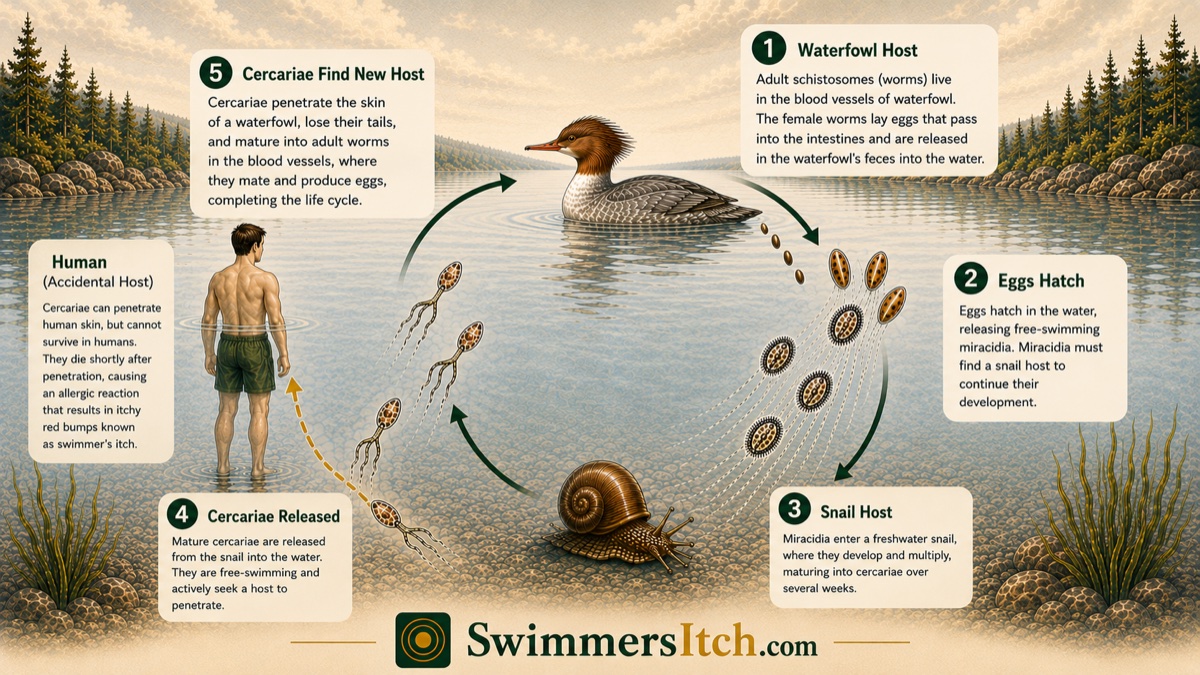
The Parasite Lifecycle

Understanding how swimmer's itch spreads explains both why it's difficult to eliminate and what interventions actually work.

🦆
1. Duck Carries Parasite

Adult Mergansers and other waterfowl carry T. stagnicolae in their blood vessels

💩
2. Eggs Shed in Feces

Infected ducks shed parasite eggs in their droppings while swimming

🥚
3. Eggs Hatch

Eggs hatch into free-swimming miracidia that seek out aquatic snails

🐌
4. Snail Infected

Miracidia penetrate snails. Once infected, the snail carries the parasite for life

🦠
5. Cercariae Released

Each infected snail releases 5,000–7,000 cercariae daily during warm weather

🏊
6. Human Contact

Cercariae mistake swimmer for duck host and attempt to penetrate skin

Interesting Swimmer's Itch Facts

The science behind swimmer's itch is more surprising — and more nuanced — than most people realize.

🐣
50×

Ducklings Are the Biggest Problem

Ducklings shed 50× more cercariae than adult ducks and typically become infected within days of their first swim. A brood of just 10 ducklings can dramatically spike snail infection rates within weeks.

🔴
100+

Papules on Affected Individuals

Severe cases of swimmer's itch can produce in excess of 100 papules on affected individuals. These visible red papules remain for several days to a week or longer and are intensely itchy.

🛡️
30%

Percent of People Immune

Approximately 30% of humans are completely immune to the parasite. For those who aren't, severity varies considerably — several swimmers in the same area can have entirely different reactions.

🐌
10–14 mo

Typical Lifespan of a Snail

Snails typically hatch in early-to-mid summer and live 10–14 months. Once a snail is infected from miracidia in waterfowl feces, it remains infected for life — shedding cercariae every warm day.

🦠
5,000+

One Infected Snail Can Release Over 5,000 Cercariae Per Day

Just one infected snail can cause considerable problems. A lake with thousands of infected snails — not unusual — releases millions of cercariae on a warm summer day.

🔢
16+

There Are 16+ Different Types of Freshwater Swimmer's Itch

Different combinations of waterfowl and snail species produce different schistosomes. Some are relatively benign; others — like the Merganser variety — can be downright excruciating.

⚠️
45×

The Merganser Variety Is 45× More Potent

Trichobilharzia stagnicolae — produced between the Common Merganser and Lymnaeidae snail — is by far the most harmful variety, producing reactions 45× worse than other common varieties.

🚨
3%

Percent of Snails Infected at Epidemic Levels

Once 3% of snails in a lake are infected, it is considered epidemic — enough to make swimming in affected areas nearly impossible without severe outbreaks affecting most swimmers.

Freshwater Swimmer's Itch Species

There are 16+ identified varieties of freshwater swimmer's itch, each with a different snail host, bird host, and severity level.

Snail Host Parasite Species Definitive (Bird) Host Severity Notes
Pulmonata–Lymnaeidae Trichobilharzia stagnicolae
Common Merganser
Excruciating Most severe; penetrates skin in water; 45× worse than typical varieties
Pulmonata–Lymnaeidae Trichobilharzia regenti
🦆 Ducks
Intense Adults in nasal veins and turbinates; neurotropic strain
Pulmonata–Physidae Trichobilharzia physellae
🦆 Many ducks (Mallard, Teal)
Mild–Moderate Common variety; standard prevention effective
Pulmonata–Physidae Gigantobilharzia huronensis
🐦 Passerine birds
Mild Visceral, in intestinal and other veins
Unknown Allobilharzia visceralis
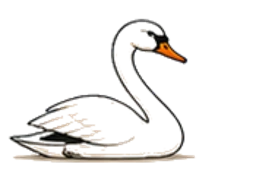
🦢 Swans
Mild Visceral, snail host unknown
Pulmonata–Planorbidae Anserobilharzia brantae
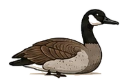
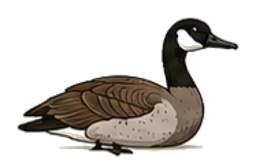
Canada Geese
Mild Most common lake-swimmer variety in residential lakes
Pulmonata–Planorbidae Dendritobilharzia pulverulenta
Scaup & others
Intense Visceral, in arterial system
Pulmonata–Lymnaeidae Schistosomatium douthitti
🦫 Muskrats, rodents
Intense North American endemic; adults visceral in venous system
Pulmonata–Lymnaeidae (Amphibious) Heterobilharzia americana
🦝 Raccoons, dogs, many others
Intense Amphibious snail host; North American endemic; adults in venous system

Source: Loker, E.S., DeJong, R.J., Brant, S.V. (2022). Scratching the Itch. Pathogens 11(5), 587.

Swimmer's Itch Symptom Progression

From first contact to full recovery — what your body goes through, and when.

Burning & Tingling
Itching Intensity
Papule Count
Severe Moderate Mild None ▲ PEAK ▼ HEALING 0 1h 4h 8h 12h 18h 24h 36h 48h Day 3 Day 5 Day 7 Time after exposure
0–4 hours
Tingling & Burning
Apply cold compress immediately. Rinse skin with soap.
8–24 hours
Papules Appear
Begin antihistamines and hydrocortisone cream. Avoid scratching.
24–48 hours
Peak Intensity
Itching most severe. Blisters may form. Possible fever in severe cases.
Day 3–7
Gradual Recovery
Papules flatten and fade. Most cases fully resolved by Day 7.

Note: Merganser variety reactions can be significantly more severe and longer lasting than shown above. See a doctor if symptoms worsen past Day 3.

The Merganser Variety: A More Serious Threat

Not all swimmer's itch is equal. Research has conclusively demonstrated that the Merganser variety is dramatically more severe — and behaves differently. Often referred to by affected individuals as "Merganser Measles" due to the severity of the symptoms experienced.

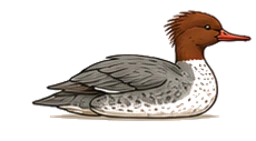
Common Merganser
Mergus merganser · Diving duck with serrated red bill

⚠️ Trichobilharzia stagnicolae

Severity: 45× more severe than typical varieties (measured by papule count)

Key difference: Cercariae penetrate skin while the swimmer is still in the water. Standard advice to towel off immediately upon exit has little effect.

Exposure pattern: Reactions appear faster and more intensely with each subsequent exposure.

Snail host: Lymnaea stagnalis (Pulmonata–Lymnaeidae)

Source: Anderson, N.J., Blankespoor, C.L., DeJong, R.J. (2022). Pathogens, 11(6), 651.

🪿🦢🦆
Common Waterfowl Varieties
Canada Geese · Swans · Mallards · Teal · Scaup · Passerine birds

Common Varieties (Typical Swimmer's Itch)

Severity: Mild to moderate — typically 10–30 papules per exposure

Key difference: Cercariae attach primarily as water evaporates off skin upon exiting the lake. Toweling off immediately and vigorously is effective at preventing penetration.

Exposure pattern: Still worsens with repeated exposure, but far less dramatically than the Merganser variety.

Snail hosts: Planorbella, Physa, and related species

Source: Loker, E.S., DeJong, R.J., Brant, S.V. (2022). Pathogens, 11(5), 587.

Frequently Asked Questions

Answers to the most common questions about swimmer's itch, drawn from peer-reviewed research and public health resources.

No. Swimmer's itch is not contagious and cannot be spread from person to person. It is caused by cercariae in the water, not by contact with another person who has the rash. You cannot catch it by touching someone's rash or sharing towels.
In most cases, swimmer's itch is uncomfortable but not dangerous. The cercariae cannot survive in the human body and do not cause internal disease. However, severe reactions — especially from the Merganser variety — can cause significant swelling, fever, and secondary infections from scratching. If symptoms are severe or you develop signs of infection (pus, spreading redness, fever), consult a doctor.
Swimmer's itch is an allergic reaction. Just like allergies to pollen or bee stings, your immune system becomes more sensitized with each exposure. The first encounter primes your immune system to recognize the cercariae proteins. Subsequent exposures trigger a faster, stronger response — more papules, more intense itching, quicker onset. This is why long-time lake residents often have the most severe reactions.
It depends on the type of swimmer's itch. For common varieties (from geese, mallards, etc.), cercariae tend to burrow into skin as water evaporates off the body. Vigorous, immediate toweling upon exiting the water can prevent penetration. However, for the Merganser variety (T. stagnicolae), cercariae penetrate while you are still in the water — so toweling off afterward provides minimal protection.
The presence of Common Mergansers on a lake is a strong indicator. If you see Merganser hens with broods (typically June–July), your lake may be at risk. Other signs include reactions that begin while still in the water, unusually severe symptoms (dozens to hundreds of papules), and reactions not prevented by toweling off. Scientific snail testing is the definitive method — contact your local DNR or university biology department.
Cercariae are released most abundantly on warm, sunny days, typically between mid-morning and early afternoon (10am–2pm). Wind plays a huge role — cercariae concentrate on the leeward (downwind) shore of a lake. Swimming on the upwind side, or on calm days or cooler cloudy days, can reduce exposure.
Dogs and other mammals can be affected by certain schistosome species. Heterobilharzia americana can cause significant illness in dogs — unlike in humans, this parasite can complete its lifecycle in canines and cause hepatic (liver) disease. If your dog swims in a lake with known swimmer's itch and shows lethargy, vomiting, or skin irritation, consult a veterinarian.
Wind and wave action concentrate cercariae along the downwind shore. Snails concentrate in shallow, rocky or sandy bottoms in protected coves. If ducks spend more time near one shore, that area accumulates more cercariae. Swimming beaches on the prevailing wind side of a lake tend to have higher concentrations.
Yes. Marine varieties exist, caused by schistosome species that infect marine birds (gulls, pelicans, cormorants) and marine snails. Austrobilharzia variglandis is associated with gulls along North American coastlines. However, freshwater swimmer's itch — especially the Merganser variety — is typically more severe than most marine forms.
Copper sulfate kills snails, but it is a poor long-term solution: (1) It only works in the localized area applied — cercariae from untreated areas are transported by wind and currents; (2) It has significant adverse effects on lake ecology; (3) Snail populations rebound after treatment. Most researchers consider copper sulfate a temporary and ecologically costly stopgap. Brood relocation addresses the root cause without chemical intervention.
Several factors are driving increases: (1) Waterfowl populations, particularly Mergansers, have expanded as populations recover from past declines; (2) Warmer water temperatures favor more cercariae release and faster snail reproduction; (3) More people are swimming in natural lakes; (4) Stricter regulations on shooting waterfowl allow populations to grow. Climate change is expected to extend both the swimming and cercariae season.
Swimmer's itch is typically diagnosed clinically, based on symptoms and recent swimming history. A doctor will consider: (1) Itchy papules appearing within 12–24 hours of swimming; (2) Recent swimming in natural freshwater; (3) Similar reactions in other swimmers from the same location; (4) Exclusion of other conditions like chicken pox, scabies, or contact dermatitis.
Children tend to spend more time in shallow water — precisely where snail concentrations are highest. Children are not inherently more susceptible biologically, but their behavior patterns lead to higher exposure. Adults with prior exposures may actually react more severely due to immune sensitization.
Adult snails (infected from the previous year) begin releasing cercariae in late May or June as water warms. Most adult snails die in August, causing a natural mid-season lull. Newly infected snails begin releasing cercariae again in September–October. Without intervention, a lake with a Merganser population can expect swimmer's itch from late June through October most years.

Ready to Protect Yourself?

Now that you understand the science, learn what you can actually do — from individual prevention strategies to lake-wide control methods that have been proven to work.